


I hear Shakespeare’s “what’s past is prologue” on a regular basis these days. When we study history with the unique privledge of time and ideological distance, it’s too easy to criticize what we once considered unfathomable. The atrocities of the past would not dare repeat themselves in the present, because the scars and the pain remain fresh–they never heal. Sadly we’ve also managed to convince ourselves that if we don’t talk about our pain, the pain will somehow go away to make way for the promise of the future, in other words, the past is irrelevant. “Not talking” and not confronting our past has gotten us into a lot of trouble today. We don’t want to talk politics because we don’t want to hurt someone’s feelings. When we protest as an outward expression of our pain and frustration, we are silenced. And even in silent forms of protest, we are rendered mute when the message that is perceived as one of disrespect.
In these moments art provides context. Art created today is in conversation with what’s not currently said. Art created in the past speaks to the time it was created in and in some instances it provides a glimpse into our present.

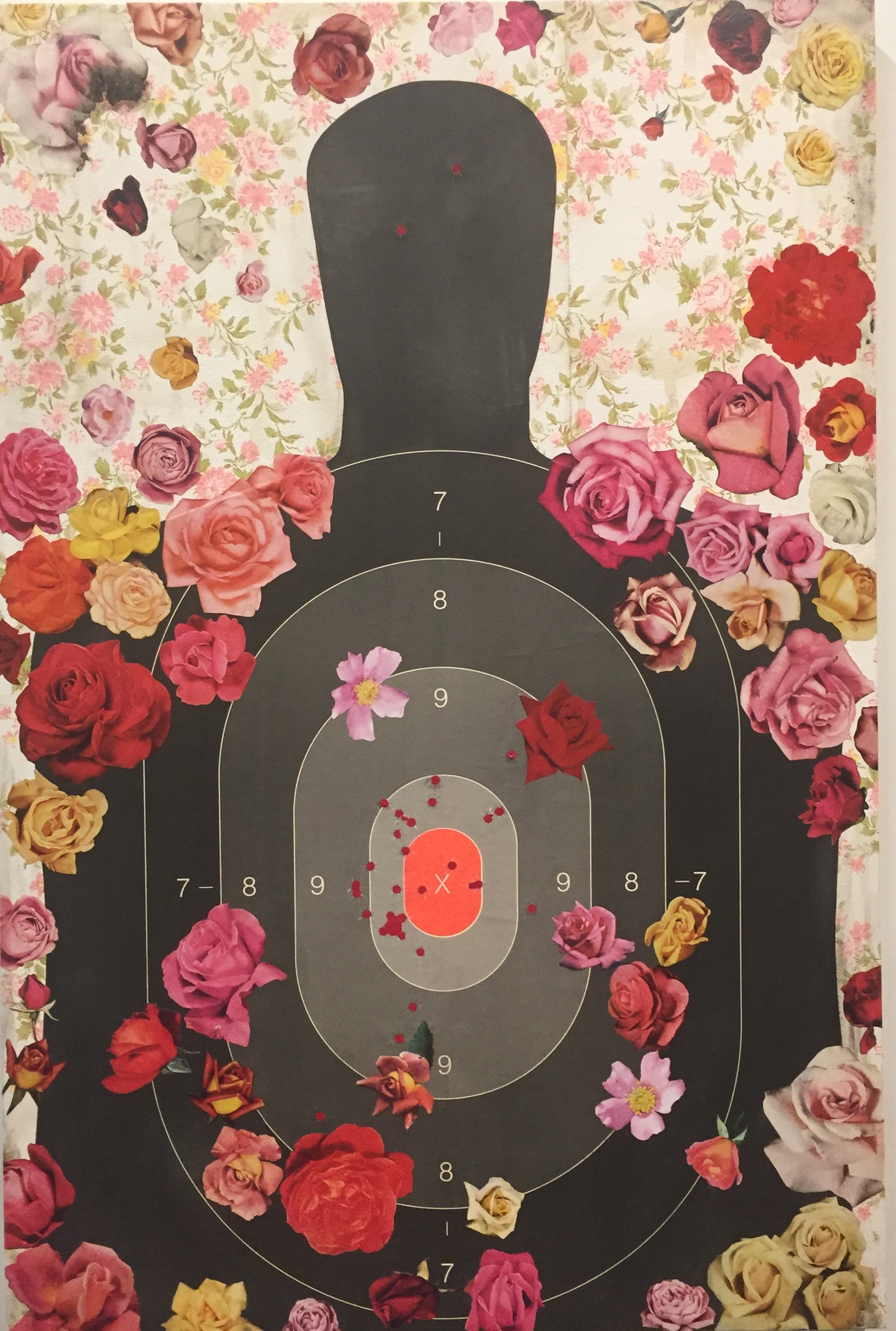
 Colony Little, Culture Shock Art
Leave a comment