

Look, I know it’s dramatic, but 2017 was tough and I’m not even going to try to sugar coat it. Despite this, I saw some incredible work that helped me make some sense of the world we find ourselves in today. Here are 9 highlights:
1. Kenyatta Hinkle, The Evanesced @ CAAM

The Evanesced at CAAM was a perfect storm of talent and timing. In a year of hashtags that spawned social movements, Hinkle’s artistic process channeled the spirits and stories of women who were systematically left in the margins of society. During a time when our collective conscious uncovered the hyper-invisibility of black women (#sayhername), Hinkle’s work was an undeniable reminder of the specter of erasure that continues to haunt us, despite our continuous reminders that our power and magic are undeniable.
2. We Wanted a Revolution: Black Radical Women, 1965-1985 @ CAAM


While the entrenched, complicated legacy of patriarchy rests between the catalysts of the Women’s March and #metoo, black women continue to fight for our unique voices to be heard. In We Wanted a Revolution now showing at CAAM, we see the work of black women who carved a space for themselves in contemporary art movements between 1965 and 1985, where collectives were crucial for visibility and sisterhood meant survival.
3. Genevieve Gaignard, The Powder Room @ Shulamit Nazarian
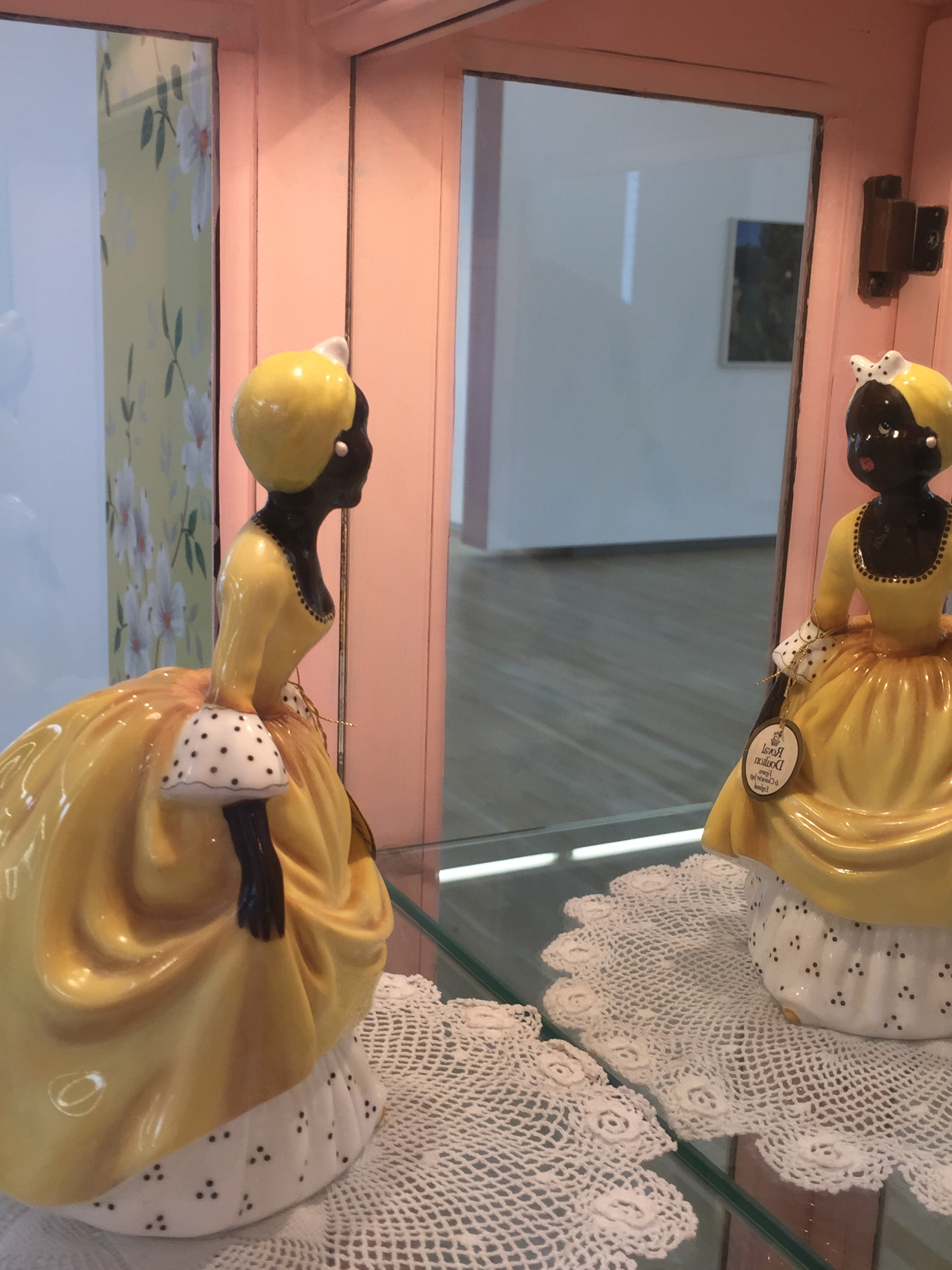
What I love most about Gaignard’s work is that she turns our compulsion to label one another on its end. Her photographic portraits evoke the trickster with Gaignard shapeshifting into characters that expose our vulnerabilities around labels. Her recent sculptural works recast racist memorabilia into porcelain dolls, transforming them from something that was once used to belittle us into something that is beloved and beautiful.
4. Betye Saar, Keepin’ it Clean @ Craft and Folk
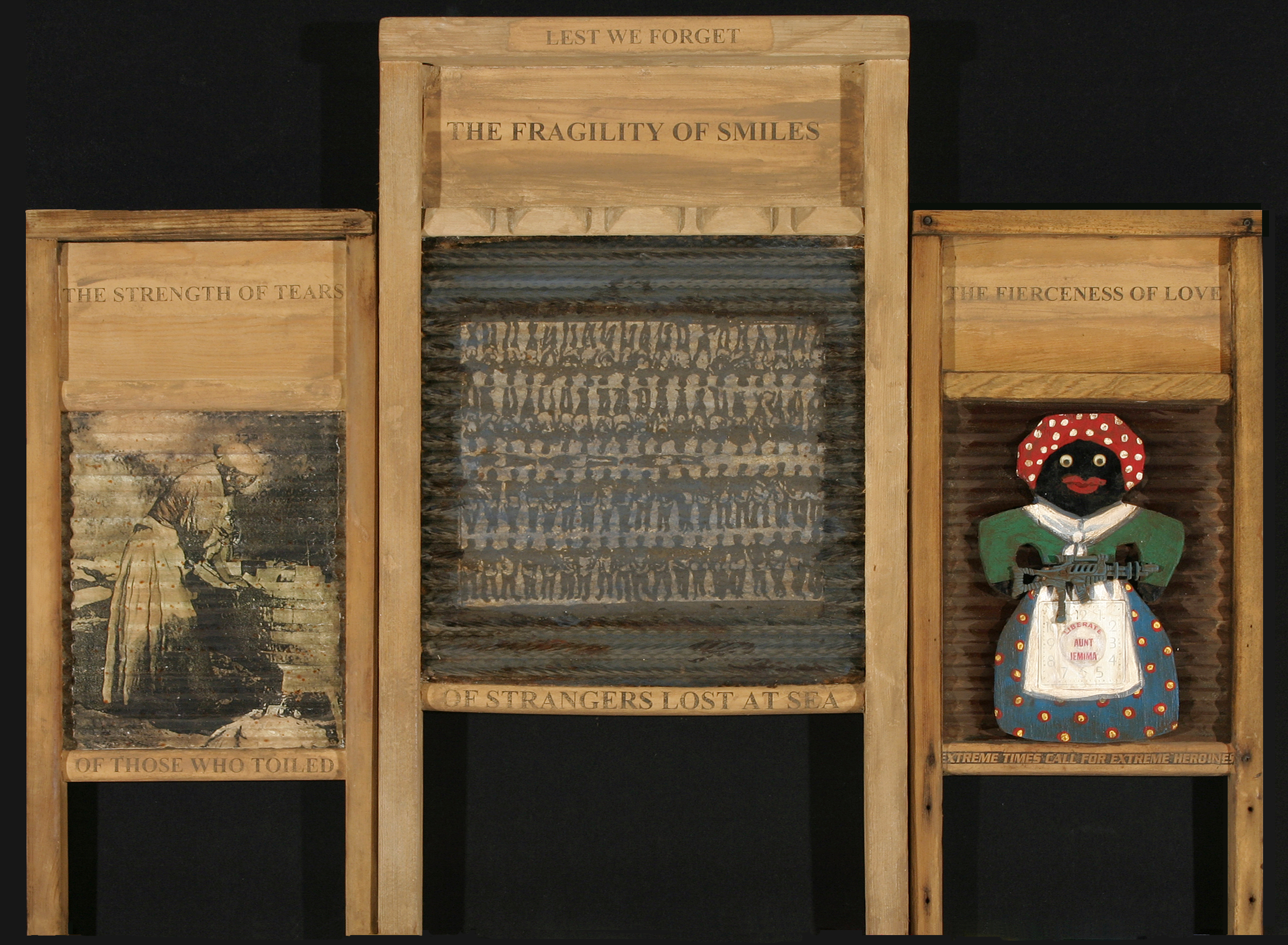
Betye Saar’s artistic practice is characterized by her process of transforming objects, and her series of washboard works at the Craft and Folk museum were a sobering reminder that the more things change, the more they stay the same. In Keepin’ It Clean, Saar re-introduced viewers to her iconic Liberation of Aunt Jemima through the work of the laundress. Many of the washboard works are accompanied by the timeless refrain, “Extreme Times Call for Extreme Heroines”, which excoriates the nation while making the pithy observation that black women are routinely called upon to clean up the messes left behind by others.
5. Radical Women: Latin American Art, 1960-1985 @ the Hammer Museum
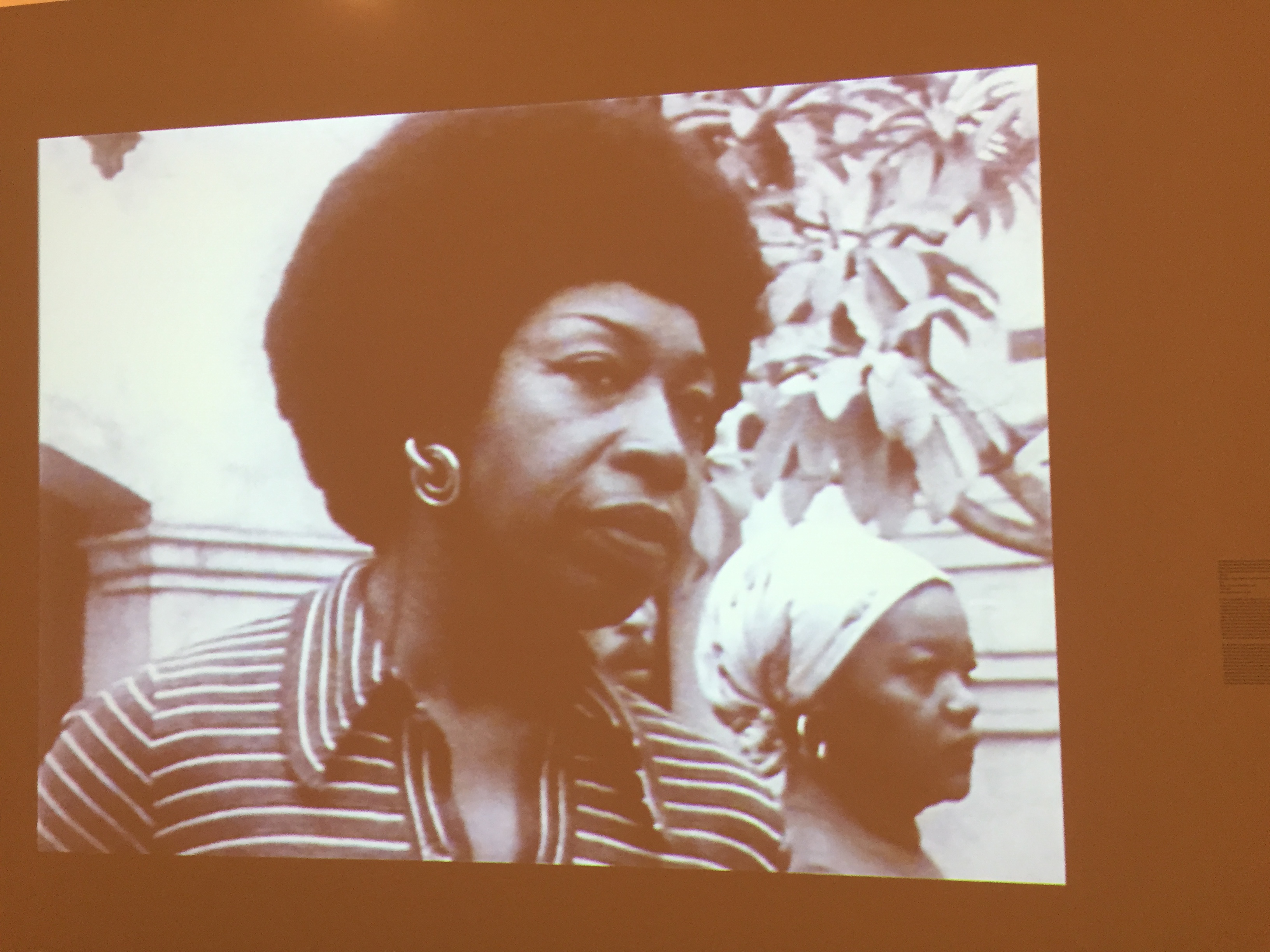
Among the PST LA/LA shows I experienced, I viewed many of them through a diasporic lens with a keen interest in honest, authentic expressions of Africa’s influence in Latin American art. Victoria Santa Cruz’s stirring video performance of Me Ggritaron Negra (They shouted back at me), takes us on a woman’s journey of awakening that reads like a love letter of strength and power to her 7-year-old self.
6. Kerry James Marshall, Mastry @ MOCA


Mastry at MOCA was the institutional affirmation of Victoria Santa Cruz’s 1978 performance noted above. In a three-museum, cross-country show that placed the black body within every inch of the gallery walls, this show was unapologetically black and packed with symbolism that I am still uncovering to this day. Among my favorite works in Mastry were Marshall’s depictions of love and intimacy that brought rich, fresh, vibrant looks of black life that are honest and hopeful.
7. Arthur Jafa, Love is the Message, the Message is Death @ MOCA Geffen
Arthur Jafa’s mixed media video installation set to the music of Kanye West’s Ultralight Beam was one of the few works that brought me to tears this year. If you have an opportunity to experience it, please find a way in 2018.
8. James Turrell, Akhob, Las Vegas
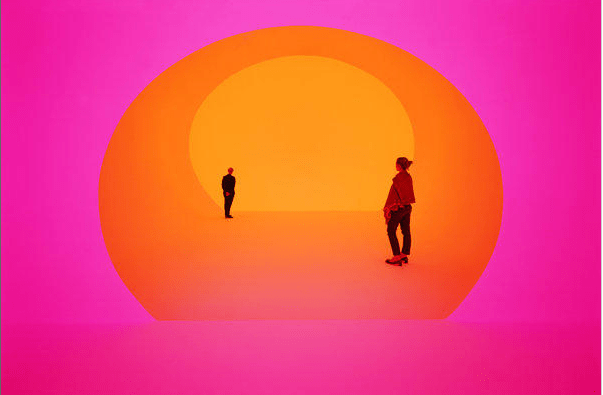
In a year with a lot of noise and too much mental clutter, the quietest moment of serenity I experienced in an art space was inside a massive 4 story Louis Vuitton boutique in Las Vegas. Visiting one of Turrell’s ganzfelds in one of the most hectic places on earth was my quiet oasis of calm in a culturally desiccated desert. I’ll never forget it.
9. Octavia Butler, Radio Imagination @ The Armory and Telling My Stories @ the Huntington Library


The artist that influenced me the most in 2017 was writer Octavia Butler who made such a profound impact on me that I wrote about her 3 times! Radio Imagination at the Armory in Pasadena featured artistic interpretations of her novels while Telling My Stories at the Huntington Library paid a respectful tribute to her writing process. As I head into 2018, I think about the daily affirmations she wrote to herself that charted her course with precision and purpose. They are nuggets of wisdom and lessons in perseverance that will help me usher in 2018 with intention.
 Colony Little, Culture Shock Art
Leave a comment