
I compiled a brief round up of art events related to this weekend’s QuiltCon from 2/19-2/22 and I came across a BlueSky post that said (and I’m paraphrasing here), “if you want to restore your faith in humanity, go to a quilting convention.” I was already prepared for good vibes, but when I finally stopped by QuiltCon Sunday morning, my goal was to see two things: the Gees’ Bend and the resistance quilts – my expectations were blown out of the water. If you haven’t been to QuiltCon, I strongly urge you to experience how creatives are taking the art form into bold new and innovative directions while serving as a platform for expression.
QuiltCon, hosted by the Modern Quilt Guild is in its ; it’s a show that brings upwards of 25,000 visitors from around the world to celebrate a craft tradition that’s receiving some overdue recognition as an art form. I’d rather not debate semantics here – whether you prefer fiber arts, textiles or craft, suffice it to say these rich traditions deserve the attention they’re garnering.
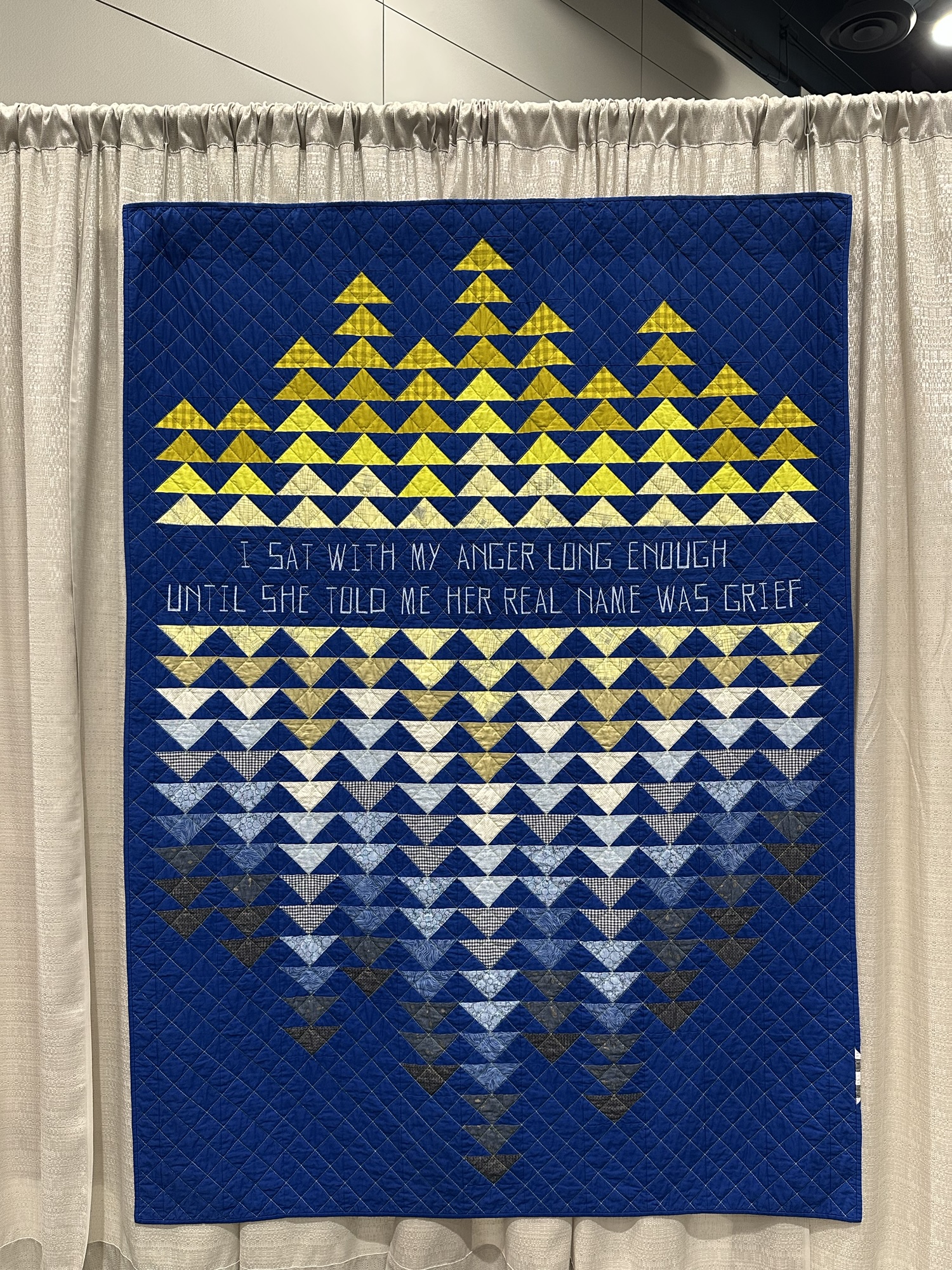
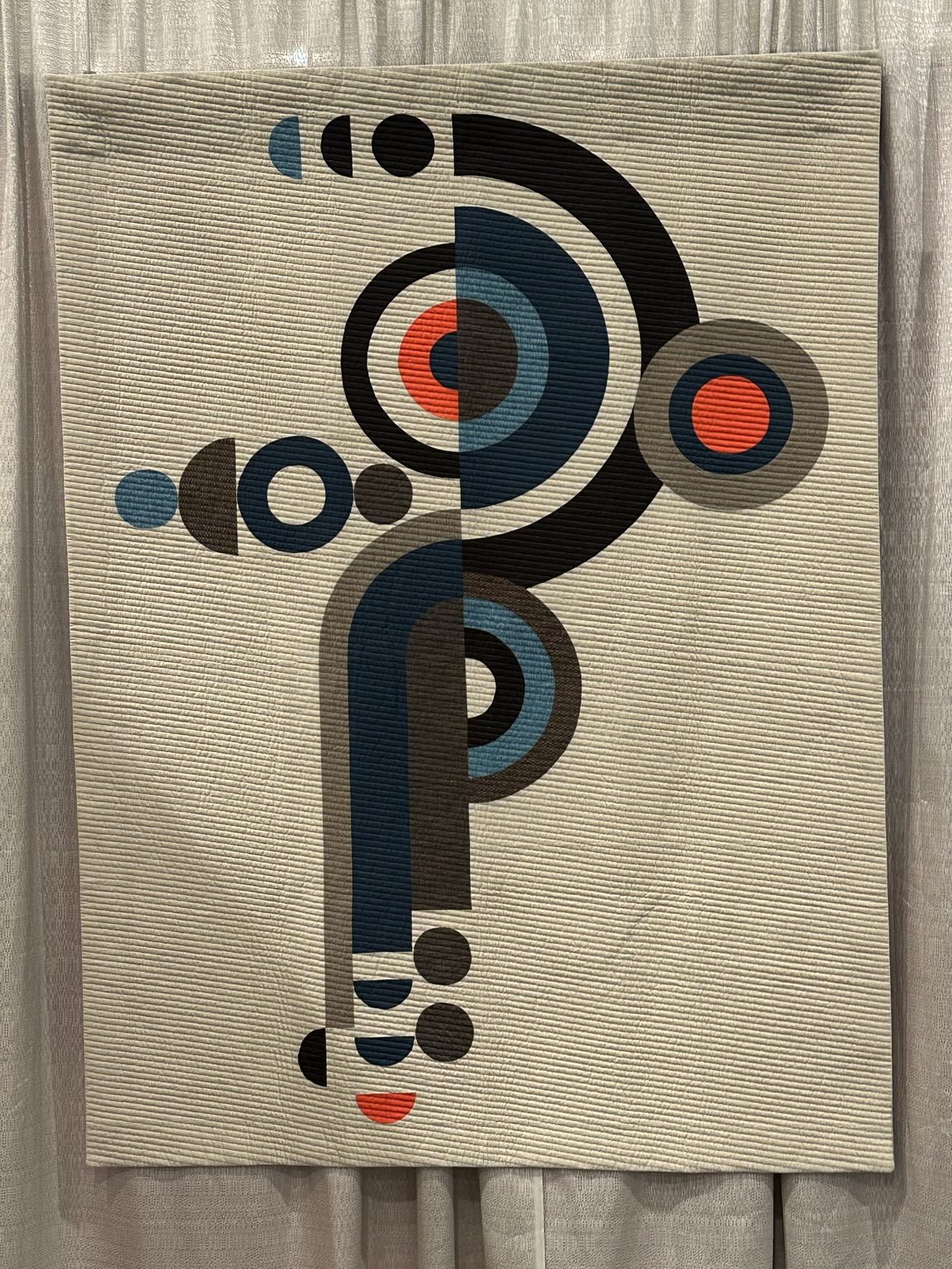
First things first: my mission was to blend in, so I wore a Gee’s Bend quilted jacket procured by a certain retail chain that will remain nameless. It was part of their Black History Month collection a few years back when they recognized Black History and DEI, so that should make it clear who it was… When I walked into the auditorium and had my ticket scanned I was immediately asked how I made my coat. When I confessed, 1. I am not a quilter and 2. I procured my jacket years ago from the aforementioned store, I was quietly advised not to admit that part from there on out. Fair. While it was said in jest, I’ve come to learn that in the South, jokes bear a tinge of sincerity that belie their conviviality. QuiltCon is for quilters and non-quilters alike, and the level of artistry, technical acumen, and innovation even surpassed the expectations of seasoned crafters this year.
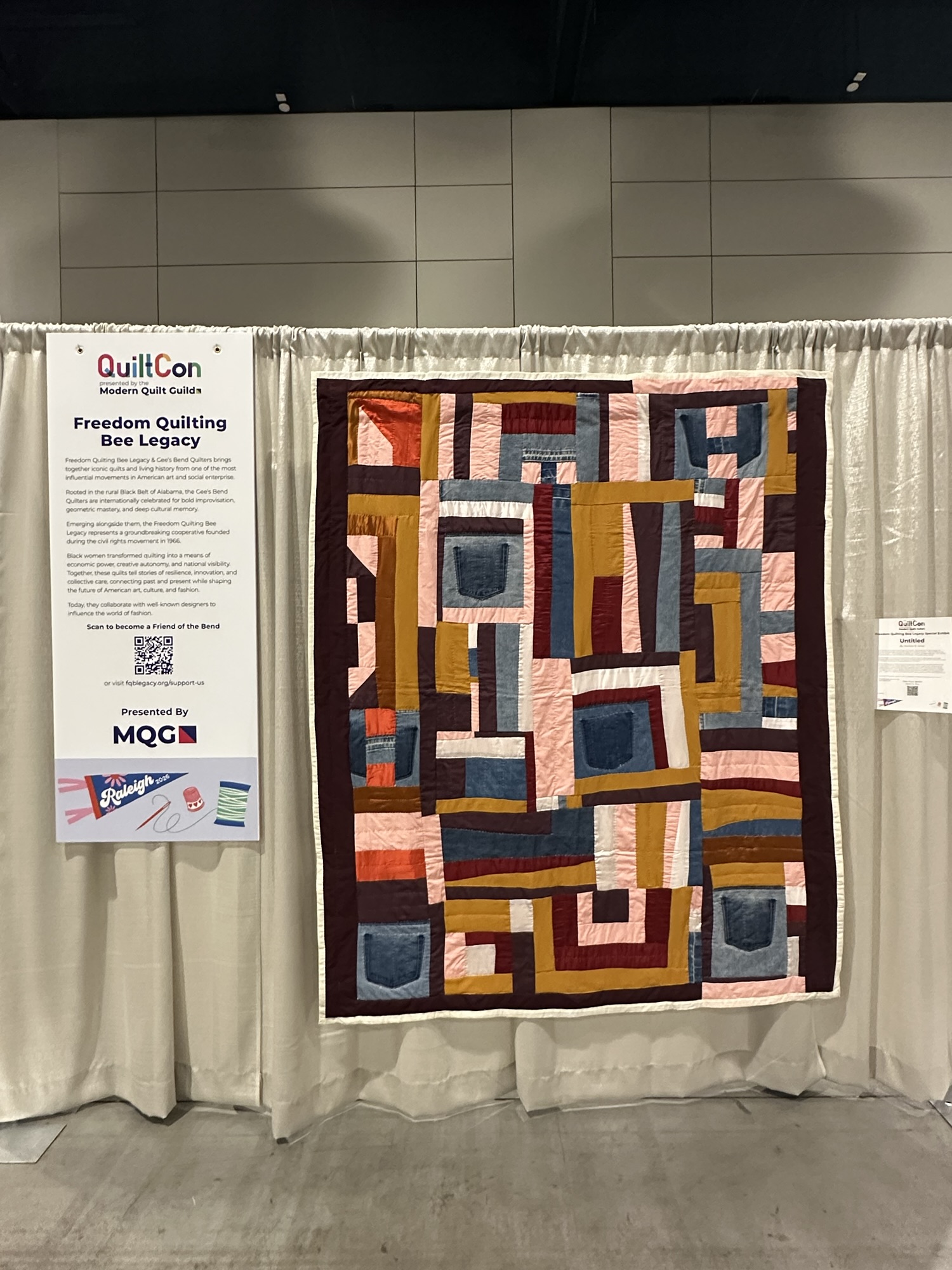
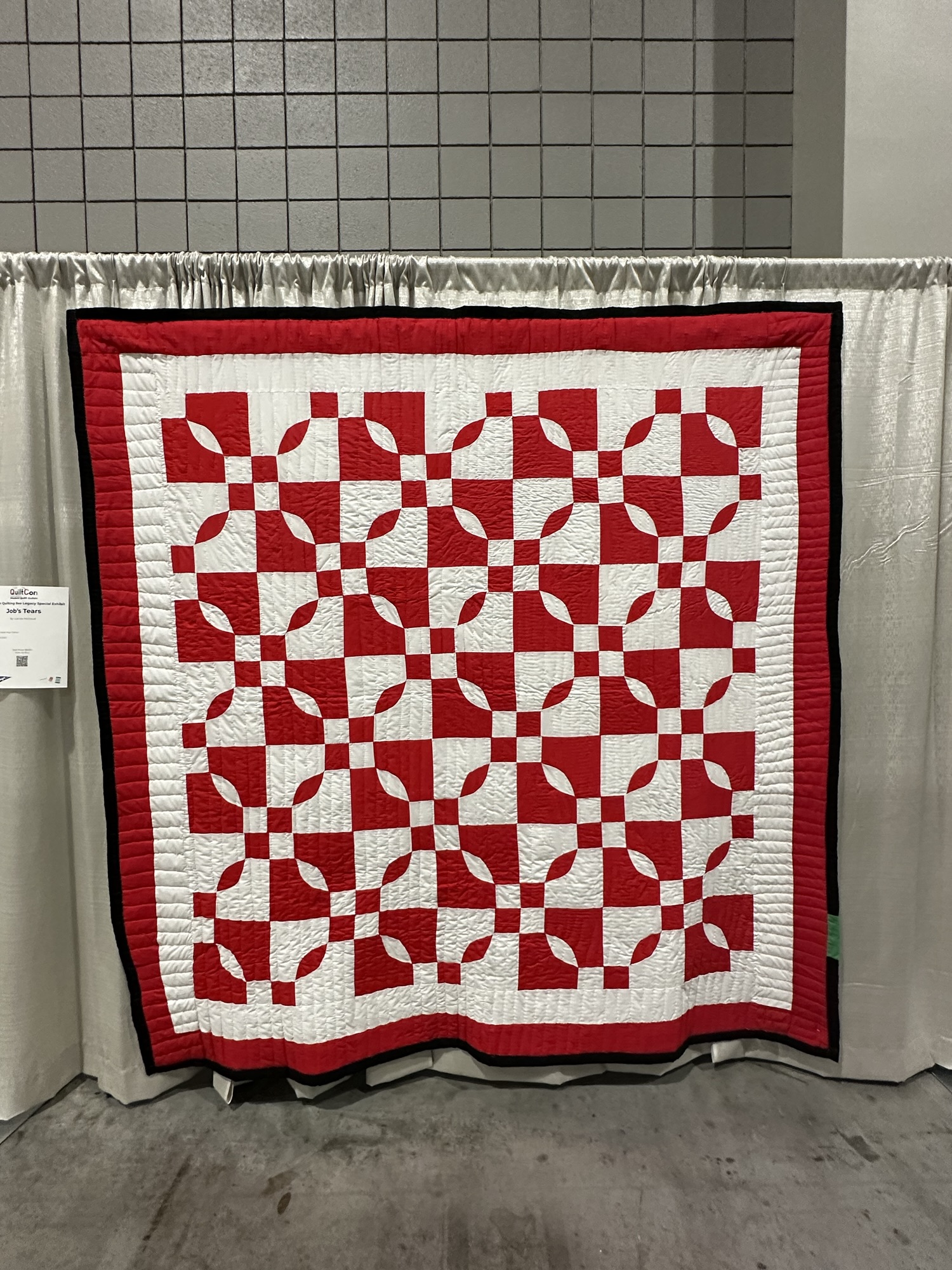
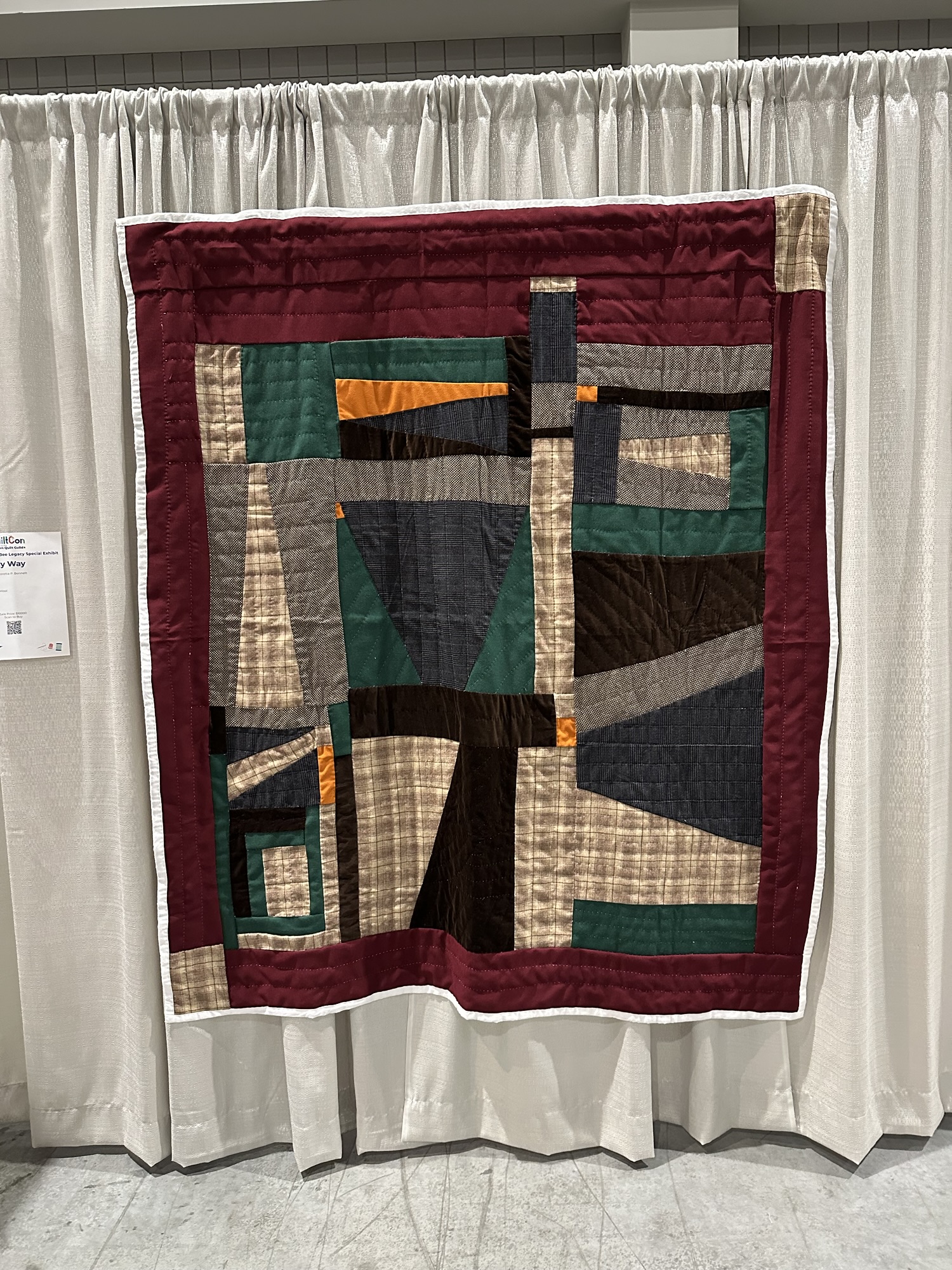
Members of the Freedom Quilting Bee in Alabama presented a special exhibition of Legacy quilts from Gee’s Bend. In the 1960s the quilters of Gee’s Bend, descendants of the enslaved workers from the plantations of Joseph Gee and Mark Pettway, not only survived the brutalities of slavery, post-Reconstruction violence, and Jim Crow, but they also cultivated a crafting tradition that sustained families in the farming region of Boykin for generations, despite attempts by white residents to derail their autonomy. After Martin Luther King visited Gee’s Bend in 1965, lauding their activism through their work, the sole ferry that provided access to the area across the Alabama river was abruptly suspended, further isolating residents from the visitors that sustained their work through purchases. The sheriff’s response to the suspension was, “We didn’t close the ferry because they were Black, we closed it because they forgot they were Black.” The ferry remained suspended for over 40 years. That racist residue persists, calcifying perceptions that have only recently become cracked as the art world “discovered” a craft form that is now worthy of note. Quilts in the show reflect the creative interpretations of traditional motifs that Gees’ Bend quilters used through improvisational quilting techniques known as My Way quilts which are characterized by unexpected shapes and patterns.
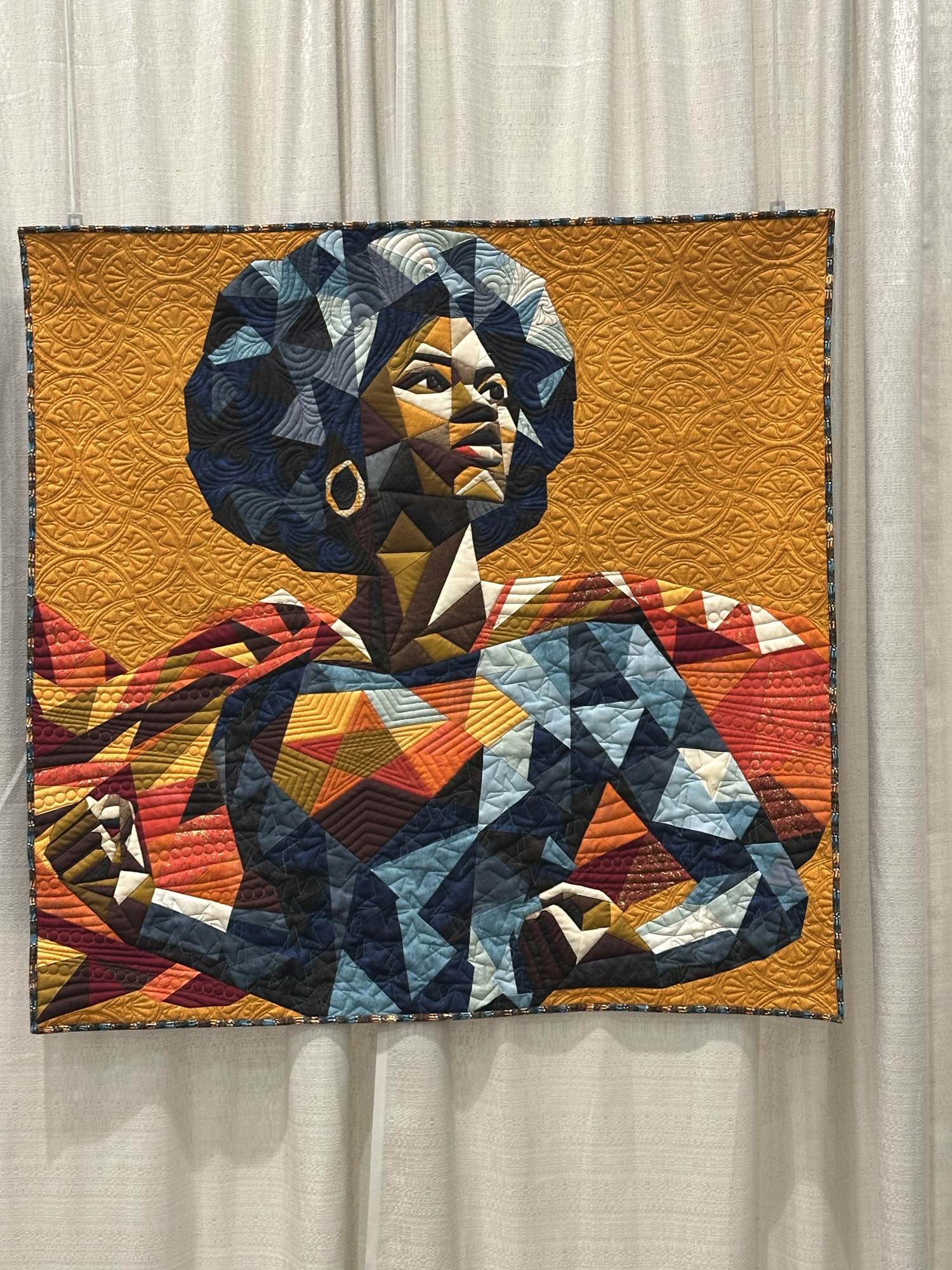
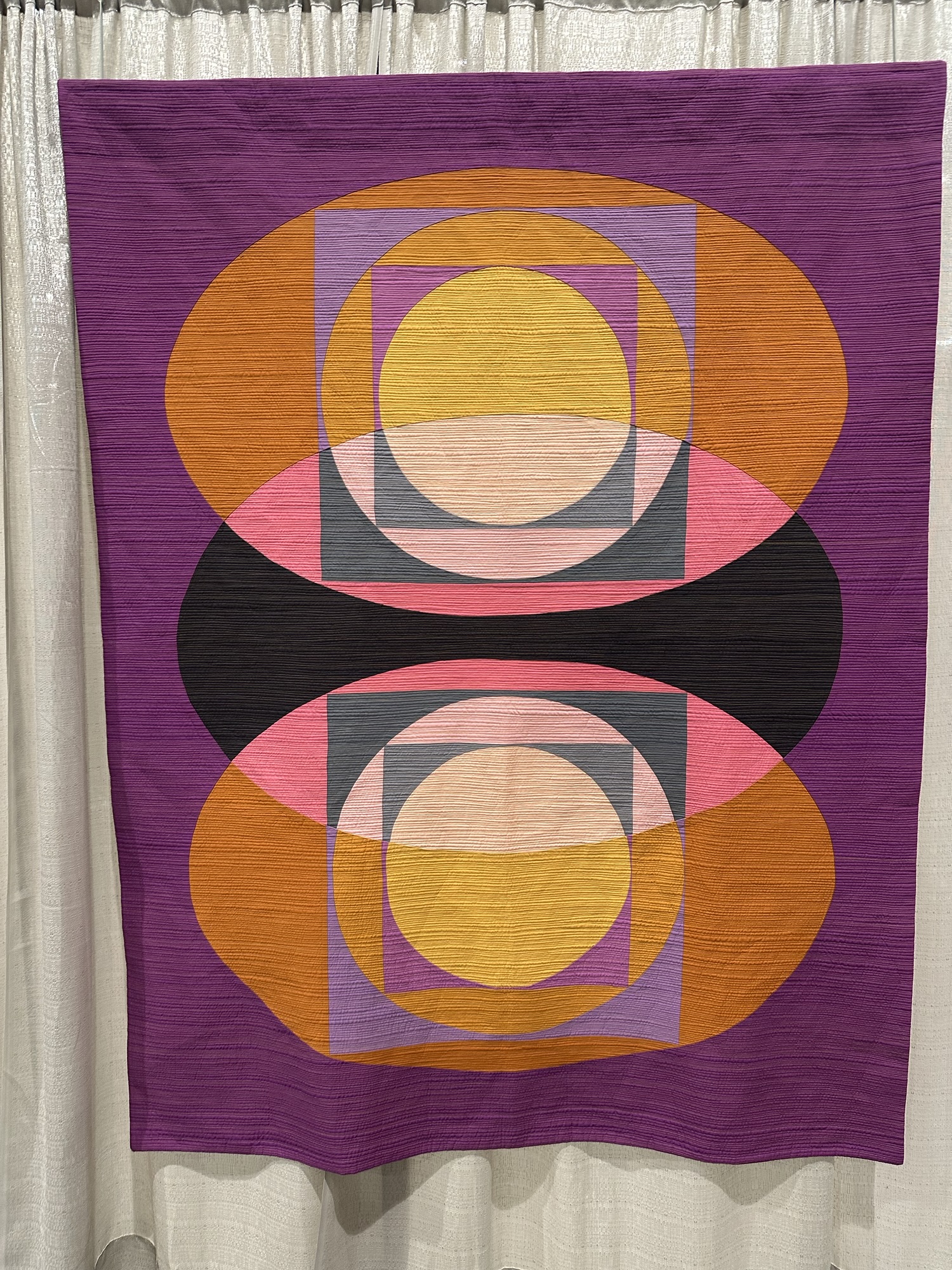
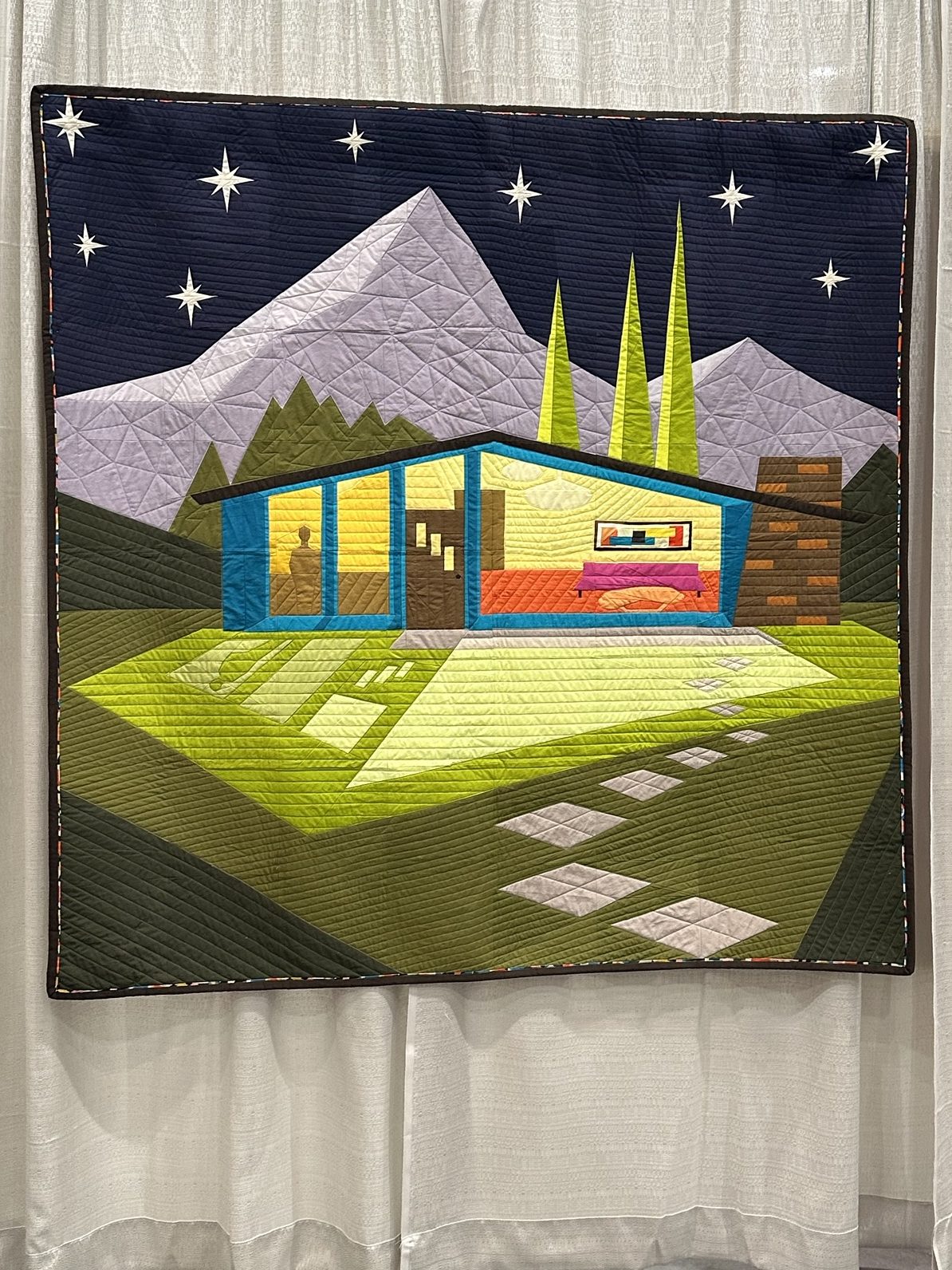
From the Gee’s Bend exhibition, I traveled through the zigzag maze of quilts selected for the 2026 show. Here, hundreds of quilts represent size categories like Small Quilts and large Quilting Bee Quilts; style categories featuring Minimalist, Modern Traditional, and Improvisational designs; and technique-centric categories including Piecing and Appliqué. The show was a master class in color placement theory – eyes danced across quilts that also tested limits of perception and perspective; what’s seen from afar shapeshifts into something new up close. Attendees who were present for all four days of the show were marveling at new discoveries as they critiqued the quilts, closely examining each and every stitch. Some visitors returned with friends and family, acting as show guides. After seeing their first few quilts, a woman leading a group of first time visitors could barely contain her excitement: “oh, just wait, we’re just getting started. This is QuiltCon!
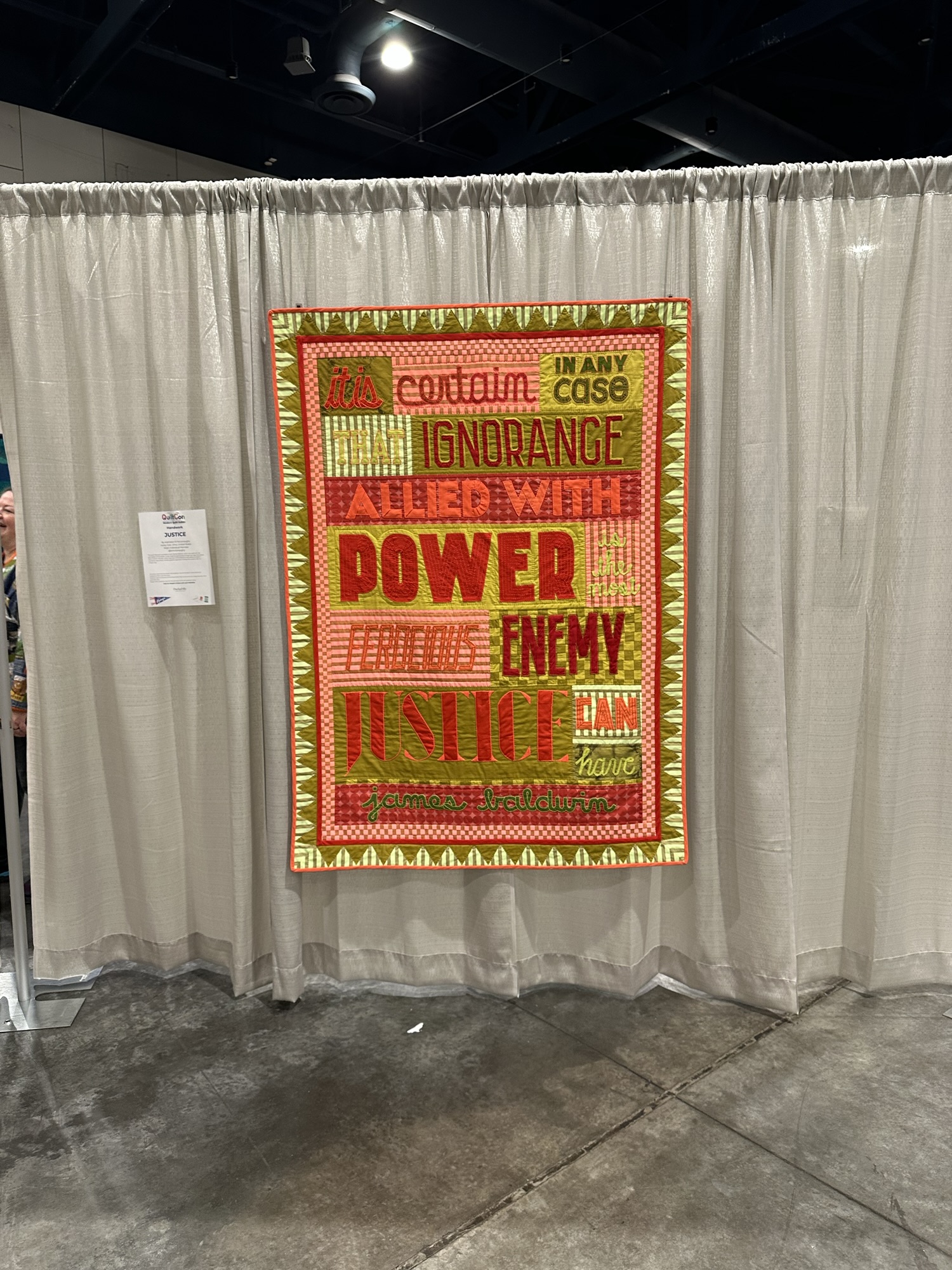
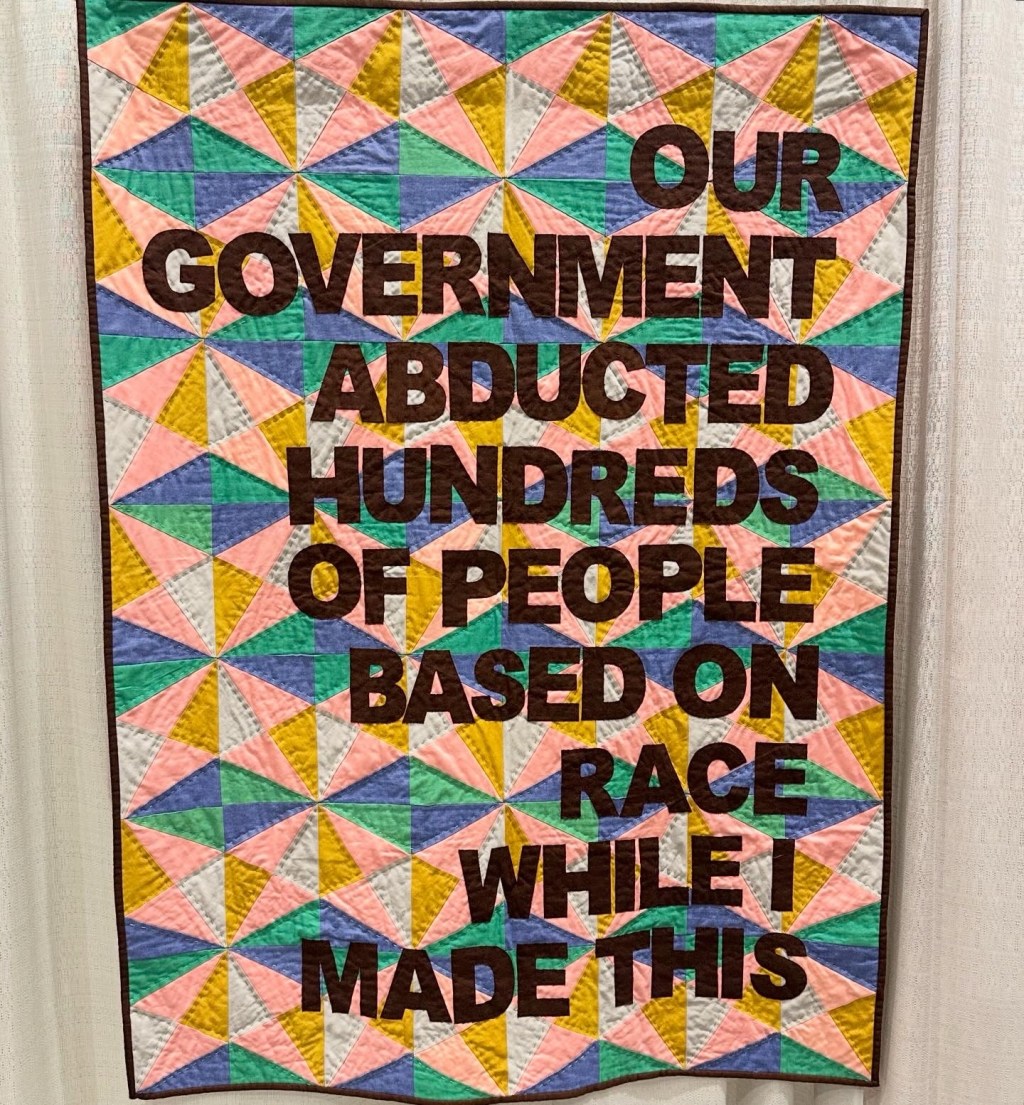
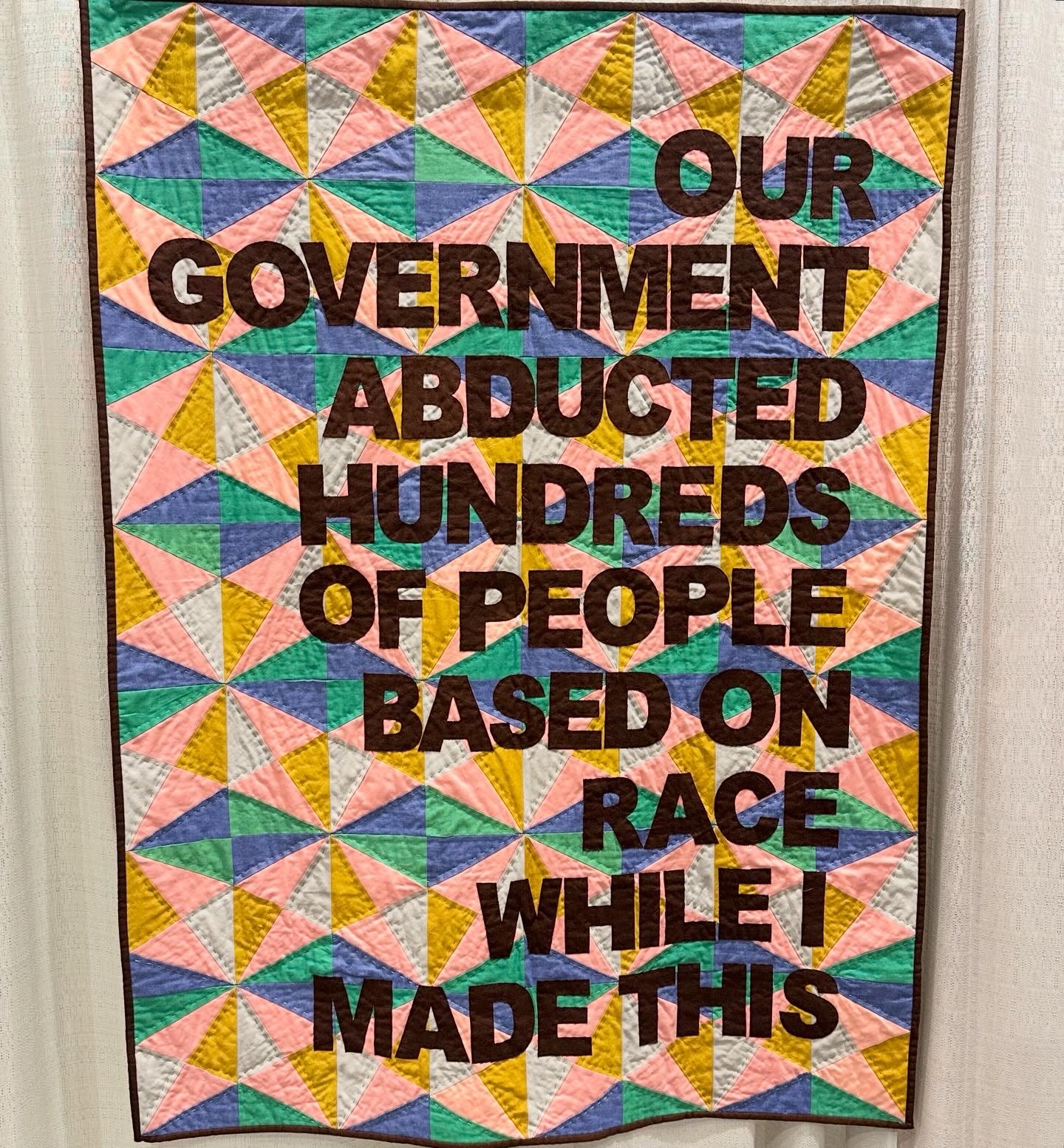
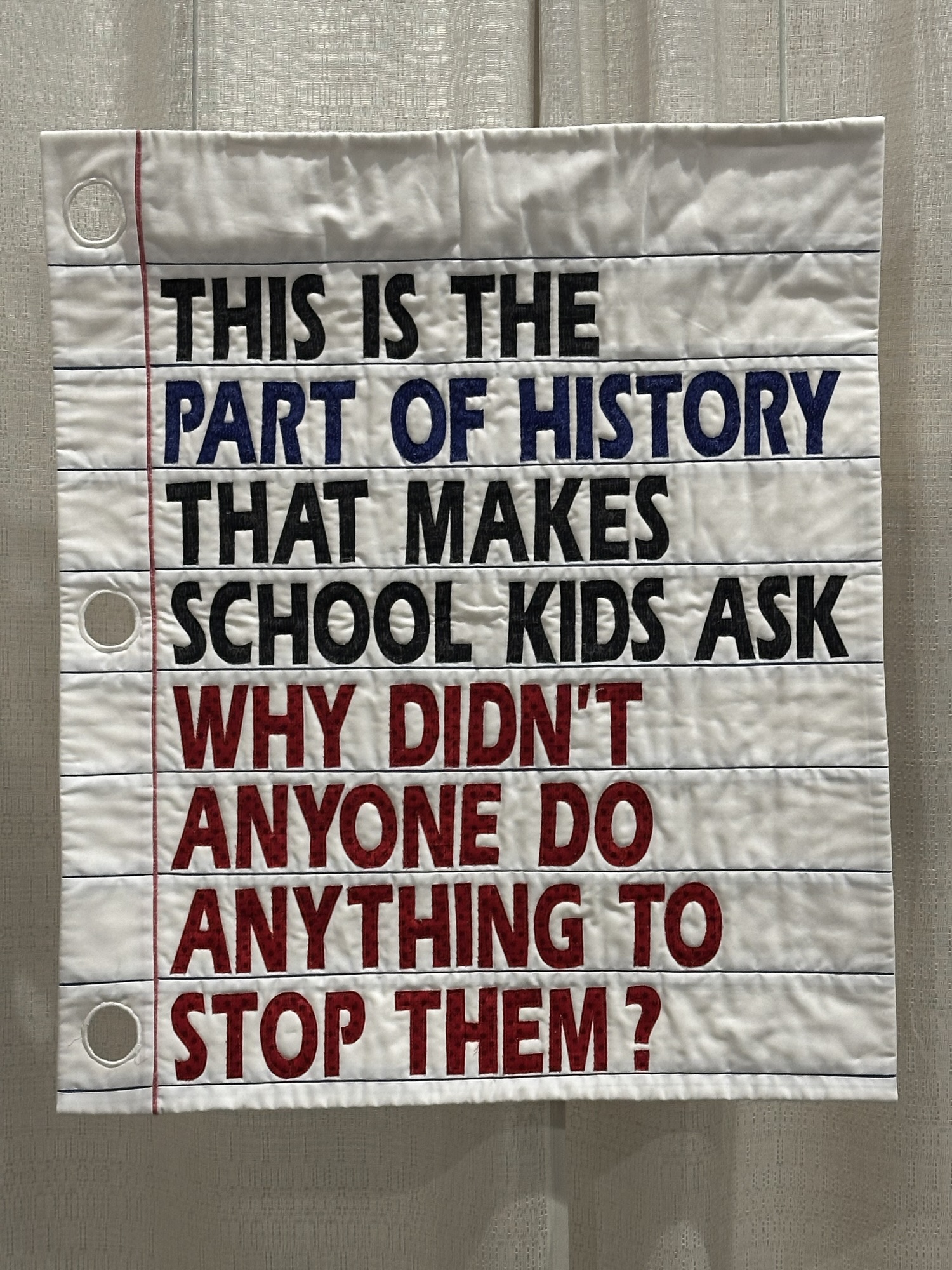
And this is when I began to notice the text based quilts and resistance quilts. If quilting is perceived as a gendered, niche craft (read: “women’s work”), then the work on display completely upended the stereotype.
One quilt called Protect the Dolls, starts with an appliqued center square featuring a child appearing overwhelmed while determined to take a stand on something – they’re holding a sign that says, “I don’t know where to start”. From there, additional squares within the quilt take over, through a series of statements that read like bumper stickers: “The World is Watching”, “Love Wins” , “Free School Lunch for All Kids”, “Don’t Judge a Person By Their Cover”, “Poor People Are Not the Problem,” “Let Them Eat Teslas”. Its playful imagery is a veil for an urgent voice, whose message felt even more encouraging after learning that the quilt was made by 8 and 10 year old siblings, Johnny and Rider Flynn. The kids are gonna be alright.
Other quilts were places of grief and healing. In a piece titled Stretch, Sarah Morris quilted a self-portrait that explores her struggles with body image: embedded in the quilt on the artist’s torso are hidden stitched messages in white thread that trace the origins of past trauma. But the message the artist choses to prominently feature in the piece reflects her embrace of the scars that shaped her as she boldly turns the mirror on the viewer with a simple question: “do my stretch marks fuck with you?” Sarah noted how her quilt was met with mixed reactions from visitors, but as I looked at the quilt a woman standing next to me nodded at the quilt, smiled, and said, “Hell yeah” as she snapped pics of the piece and the artist’s statement. Hell yeah indeed.
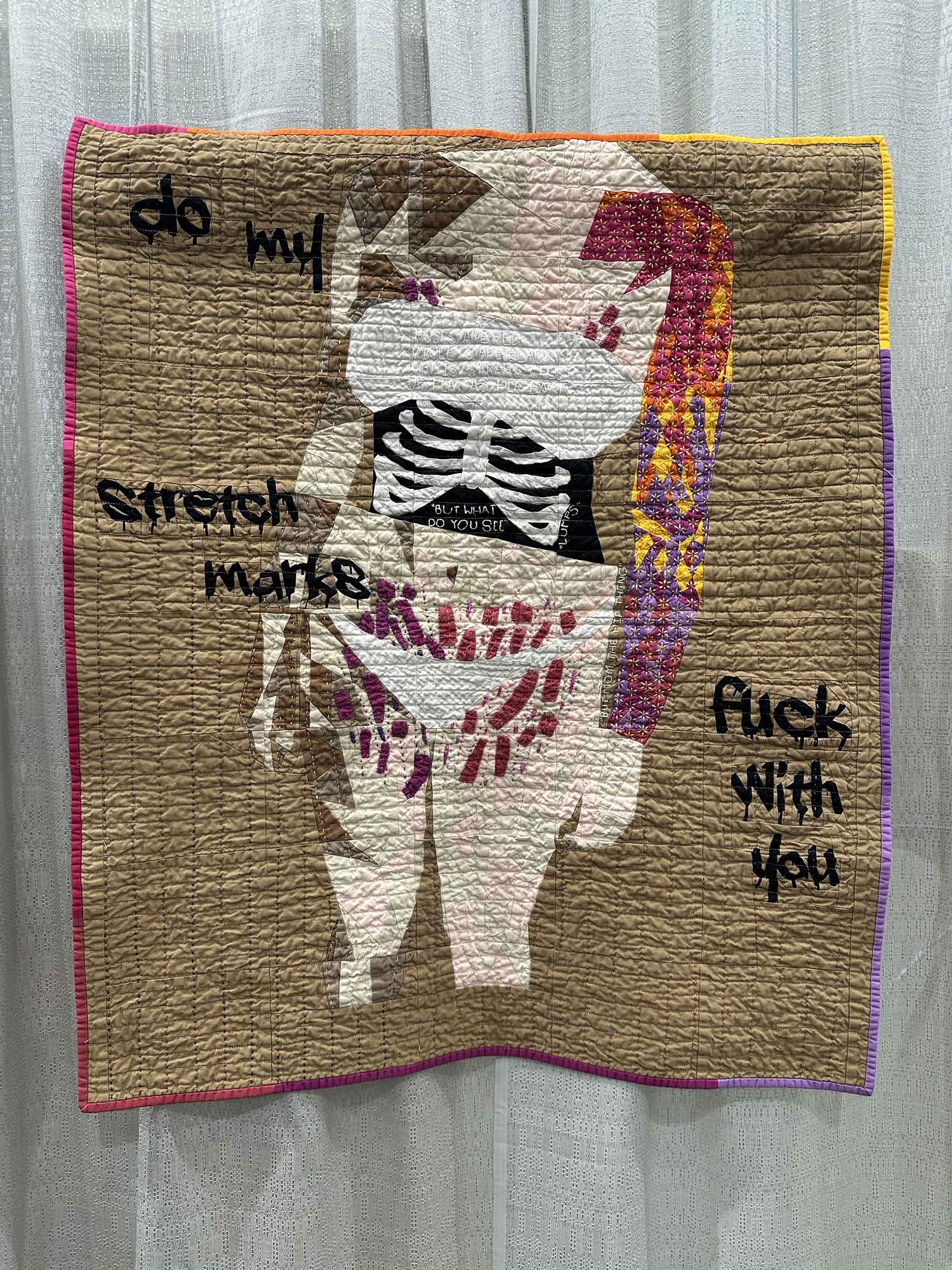
As I continued to walk the exhibition hall, the responses to the quilts and the messages they contained got louder:
“Strong Women Scare Weak Men”
“No Kings”
“Fuck You, Make Me”
“Resist!”
Quilts quoting James Baldwin and Fannie Lou Hamer sat next to others that listed banned words, championed diversity, and demanded action. The winning quilt from the Group & Bee Quilts category was presented by Amber Elliot; her collective protest quilt titled Threads Speak was chock full with slogans, poems, warnings, advice, and wisdom contained in each square.
These messages were loud and clear. This iteration of the (women’s) revolution will not be televised, it’s being stitched together by a massive quilting bee that’s fed the f up. They’re taking these craft traditions with their associated histories, and metaphorically piecing together something new. QuiltCon opened some eyes and hearts this year while affirming the power and potential of textile art to inspire change.
 Colony Little, Culture Shock Art
Leave a comment